
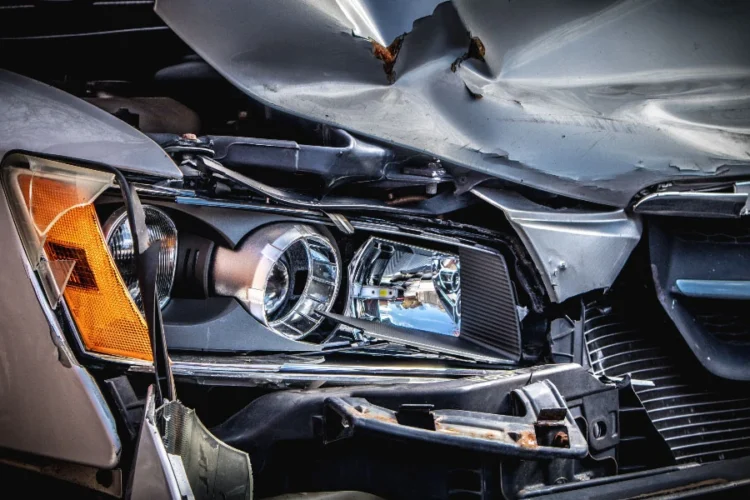
Most people imagine a scrapyard singapore as a field of crushed cars waiting for the shredder. In reality, a modern vehicle recycling facility works more like a dismantling line, recovering parts, fluids and materials in a set order so that as much of the car as possible is reused or recycled. Very little of a typical car needs to end up as waste. Understanding how the process works helps owners see where value comes from and why choosing a responsible facility matters. This guide walks through what happens to a car once it arrives.
Arrival and Checks
When a car arrives at a scrapyard, it is checked against its registration details. Staff record the vehicle’s condition and confirm that the paperwork is in order. This step matters because the facility must be able to show that the car was legitimately scrapped, which supports the owner’s deregistration with LTA. Any personal items found are usually set aside, though owners should not rely on this and should clear the car fully before handing it over.
Draining Fluids Safely
The first major step is removing all fluids, which can pollute soil and water if handled badly. These typically include:
- Engine oil and transmission fluid
- Coolant and brake fluid
- Fuel left in the tank
- Air-conditioning refrigerant
Responsible facilities collect each fluid separately for recycling or safe disposal, following environmental rules.
Removing Hazardous Parts
After draining, hazardous components are removed. The battery contains lead and acid and is sent for recycling. Airbags must be safely deployed or removed, since they contain explosive charges. Some components contain mercury or other materials that need special handling. These steps protect workers and the environment, and they are a key difference between a professional scrapyard singapore operator and an informal one.
Recovering Reusable Parts
Many parts still have value after a car’s working life ends. Engines, gearboxes, alternators, doors, lights and wheels may be removed, tested and sold as used parts. Some are exported, while others are sold locally for repairs. Reusing parts reduces the need for new manufacturing and can lower repair costs for other drivers. The age and condition of the car decide how much can be salvaged this way. Used parts are often much cheaper than new ones, which keeps many older cars on the road elsewhere.
Separating Materials
Once reusable parts are removed, the remaining body is separated into materials. Steel and iron make up most of a car’s weight and are highly recyclable. Aluminium, copper wiring and some plastics are also recovered. Tyres may be sent for recycling into other products. Glass can sometimes be recycled, depending on its type. Separating materials carefully increases the value recovered and reduces the amount sent to waste. Cleaner separation means higher prices from metal processors, which in turn supports the scrap value offered to owners.
Crushing and Shredding
The stripped shell is usually flattened or baled to make it easier to transport. It is then sent to a shredder, where it is broken into small pieces. Magnets and other equipment separate ferrous metals from non-ferrous metals and residue. The recovered metals are sold to processors, who melt them down for reuse in new products. This stage turns a whole car into raw material for manufacturing.
What Happens to the Residue
After metals are recovered, a mix of plastics, foam, fabric and other materials remains. Some of this can be recovered for energy or recycled, while the rest must be disposed of. Facilities aim to reduce this residue as much as possible. The more carefully a car is dismantled in the early stages, the less residue remains at the end, which is better for both the environment and the facility’s costs.
How Long the Process Takes
The time a car spends at a recycling facility varies. Paperwork and fluid removal can be completed within days of arrival, while dismantling and parts recovery depend on how busy the yard is and how many parts are worth salvaging. Shredding often happens in batches once enough shells have been collected. For owners, the important timeline is the paperwork, since deregistration and rebates do not depend on when the shell is finally shredded.
Why the Facility Matters
Choosing a responsible scrapyard is not only about price. A professional facility:
- Handles fluids and hazardous parts safely
- Provides proper records to support deregistration
- Recovers as much material as possible
- Follows environmental and safety rules
These standards protect owners from future problems and ensure the car is recycled properly.
How Owners Benefit
Owners benefit from vehicle recycling in several ways. The scrap value of the car reflects the parts and materials that can be recovered. Proper documentation supports smooth deregistration, which triggers government rebates. Knowing the car is recycled responsibly also gives peace of mind. Asking the facility how it handles each stage helps owners make an informed choice.
Choosing Where Your Car Goes
Understanding the recycling process makes it easier to choose a facility. Look for one that explains how it handles fluids, hazardous parts and materials, and that provides clear documentation for deregistration. Compare offers, but weigh transparency and standards alongside price. A well-run car scrap yard in Singapore turns an old vehicle into reusable parts and raw materials while giving the owner a straightforward, well-documented process.