
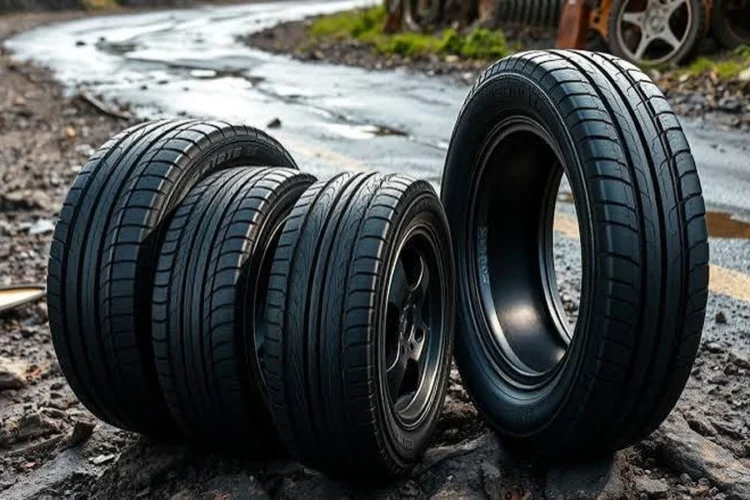
On a wet Tuesday evening on the PIE, with rain hammering the tarmac and brake lights appearing suddenly ahead, the gap between adequate car tyres and good ones becomes very concrete very quickly. Braking distance in wet conditions varies significantly with tyre compound quality, tread design, and remaining depth. That gap, measured in metres, is the most practical argument for understanding what is fitted to your vehicle and whether it is appropriate for Singapore’s roads.
Singapore’s driving environment makes specific demands on tyres. The year-round heat softens tyre compounds over time, accelerating both wear and the degradation of the rubber matrix that provides grip. Torrential rain during monsoon season creates standing water on expressways within minutes. The combination of high temperatures and sudden heavy rain is the context in which tyre performance decisions matter most.
What Car Tyre Specifications Actually Mean
A tyre specification such as 205/55R16 reads as a combination of width (205 millimetres), aspect ratio (55 percent of width as sidewall height), construction type (R for radial), and rim diameter (16 inches). Changing any of these dimensions from the manufacturer’s specification for the vehicle affects speedometer accuracy, ride height, and handling characteristics.
Tyre load and speed ratings, expressed as a number and letter at the end of the size designation, must meet or exceed the vehicle manufacturer’s minimum requirements. For most Singapore passenger vehicles, a speed rating of V (240 km/h) or W (270 km/h) is specified even though those speeds will never be reached on any road in Singapore. The rating indicates the tyre’s construction capability under sustained loading, not just its top speed.
Tread pattern design affects wet-weather performance more than any other single specification. Wide circumferential grooves evacuate water from the contact patch as the tyre rolls through standing water. Lateral sipes, the fine cuts in the tread blocks, create additional water dispersal channels and improve grip on wet tarmac. Tread pattern geometry is a significant differentiator between tyre models at the same price point.
The Radar Tyre Range for Singapore Drivers
Arrow Tyres, operating through radar.com.sg, offers the Radar tyre range designed and tested for the demands of Asian driving conditions. Radar tyres are manufactured by Ceat Tyres, a large-scale Asian tyre producer with decades of experience in designing compounds suited to the high-temperature, high-humidity operating conditions found throughout Southeast Asia.
The Radar range for passenger vehicles covers daily commuting applications through to higher-performance fitments for sports and executive saloons. The compound formulations used across the range are optimised for the Singapore operating environment, including the sustained road surface temperatures that Singapore’s climate produces throughout the year.
Car tyre fitment at Arrow Tyres includes correct wheel balancing to reduce vibration through the steering, accurate inflation to the vehicle manufacturer’s recommended pressure, and wheel alignment checks to confirm that new tyres will wear evenly from the first kilometre.
How Singapore’s Climate Affects Tyre Life
Tyre degradation in Singapore is faster than in temperate climates for several reasons. Sustained high road surface temperatures, which in Singapore can exceed sixty degrees Celsius on exposed tarmac, accelerate the oxidation of the rubber compound. UV exposure throughout the year contributes to sidewall cracking in tyres that are parked outdoors. Ozone exposure, elevated in Singapore’s urban air quality conditions, attacks the rubber polymer chains in the sidewall and tread compound.
These factors mean that even lightly used car tyres in Singapore should be inspected for age-related degradation from around the five-year mark. A tyre showing sidewall cracking or surface brittleness should be replaced regardless of remaining tread depth, as the structural integrity of the casing may be compromised even when the tread appears acceptable.
Monthly inflation checks are particularly important in Singapore’s heat. Tyre pressure increases as the tyre warms, and many Singapore drivers check pressure on a hot tyre after driving, reading a higher number than the true cold inflation pressure. Checking and setting pressure when the vehicle has been parked for at least three hours gives the most accurate reading.
When to Seek Professional Advice
Unusual wear patterns across the tyre surface, pulling to one side under braking, vibration through the steering wheel, or a change in road noise from the wheels are all indicators that a tyre inspection is warranted. These symptoms do not resolve themselves and typically indicate an alignment, balance, or tyre condition issue that will worsen if left unaddressed.
A competent tyre shop will identify the root cause of unusual wear before recommending replacement, ensuring that the new tyres are not subjected to the same conditions that damaged the previous set.
For Singapore drivers who want car tyres that perform reliably in the specific conditions of Singapore’s roads, year-round, Arrow Tyres offers the product range and fitment expertise to put the right car tyres on every vehicle and service them correctly from day one.