
Scrapping is often imagined as a single moment: the car is driven into a yard, flattened, and a cheque appears. The reality is a sequence of administrative and physical steps spread over days or weeks, each of which affects when and how the owner is paid. Understanding what happens after a scrap car singapore booking is made helps owners know what to expect, what they are responsible for, and which documents show that the vehicle has genuinely left the road and their name.
Handover and Collection
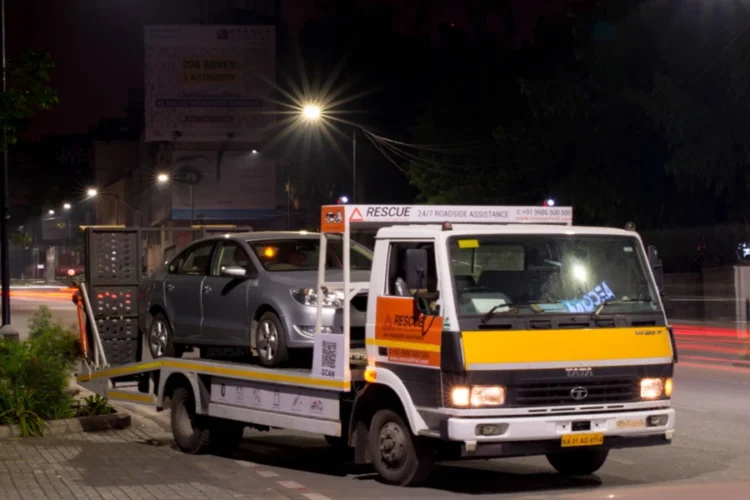
The process begins when the owner agrees terms with a dealer or yard and arranges to hand over the car. A vehicle that still has valid road tax and insurance can be driven to the premises. One that has lapsed, or that does not run, is collected by tow truck. At handover the owner removes personal belongings, hands over the keys and signs an authorisation allowing the dealer to act on their behalf.
The Deregistration Step
Deregistration is the formal act of cancelling the car’s registration with the Land Transport Authority, and it is completed online through OneMotoring. It may be done by the owner directly or by the dealer using the owner’s authorisation. The date matters because it fixes the figures used to calculate rebates and starts the clock on disposal. From deregistration, the vehicle must be scrapped, exported or placed in approved export storage within one month, so reputable operators schedule the physical work to follow closely.
Arrival at the Appointed Yard
Only scrapyards appointed by the authority may issue the confirmation that a deregistered vehicle has been destroyed. When the car arrives, staff check its registration number, chassis number and engine number against the deregistration record. This identity check is the reason a car cannot simply be dismantled in a workshop and reported as scrapped. Any mismatch, such as an unrecorded engine replacement, must be resolved before the yard proceeds.
Draining and Depollution
Before any cutting or crushing, the car is made safe. Fuel, engine oil, coolant, brake fluid and transmission fluid are drained into separate containers for treatment or recycling. The battery is removed, as are tyres and, in air-conditioned vehicles, the refrigerant. Airbags may be deployed or extracted. These steps exist because the fluids and components are hazardous if they reach soil or drains, and because clean, separated materials are worth more to recyclers than contaminated mixed scrap.
Stripping Reusable Parts
Parts with resale value come off next. Engines, gearboxes, alternators, body panels, lights, seats and electronic modules from popular models are in demand among workshops and overseas buyers. What is removed depends on the model and its condition, which is why two cars of the same age can attract different body prices. This stage largely explains the payment an owner receives for the physical vehicle, a point covered in more detail in what owners should know beforehand when comparing offers.
Crushing and Material Recovery
What remains is a bare shell of steel with some aluminium, copper wiring, glass and plastic. The shell is compacted or sheared and sent on for shredding, where magnets and other separators sort ferrous metal from non-ferrous metal and residue. Most of a car’s weight is steel, which is melted and reused. Scrap metal prices move with global demand, which feeds back into what yards will pay.
Proof That the Car Is Gone
Once the vehicle has been destroyed, the yard reports the disposal to the authority. This confirmation is what releases any rebates and closes the owner’s obligation to dispose of the car within the permitted period. Where a car is exported instead, shipping documents from the freight agent perform the same function. Owners should ask the dealer for a copy of the disposal confirmation or a screenshot of the updated record, since it is the clearest evidence that the process has been completed properly.
How the Rebates Reach the Owner
Two official rebates may apply: a registration fee rebate for cars under ten years old, and a refund of the unused portion of the Certificate of Entitlement. Both are credited by the authority after disposal is confirmed, and an application to encash them must reach it within twelve months of deregistration. In practice many dealers pay the owner a combined sum up front and collect the rebates themselves by assignment. Either arrangement is legitimate, provided the owner understands which one has been agreed.
What Becomes of the Number Plate
The registration number does not automatically stay with the owner. Anyone wishing to keep a number for a future vehicle has to apply to retain it and pay the fee, and this generally needs to be arranged before or at the point of deregistration, so the current requirements on OneMotoring should be checked early. If no application is made, the number returns to the pool. The physical plates stay with the car and are destroyed along with it.
What to Confirm Before Handing Over the Keys
A little checking beforehand prevents most disputes. Confirm that the yard receiving the car is on the appointed list, agree in writing whether the payment quoted includes the official rebates or is in addition to them, and settle who will carry out deregistration and when. Ask how and when proof of disposal will be supplied. If the car is under finance, raise it at the outset. Reading through the steps before scrapping an old vehicle in advance makes these conversations quicker and leaves less to chance.