
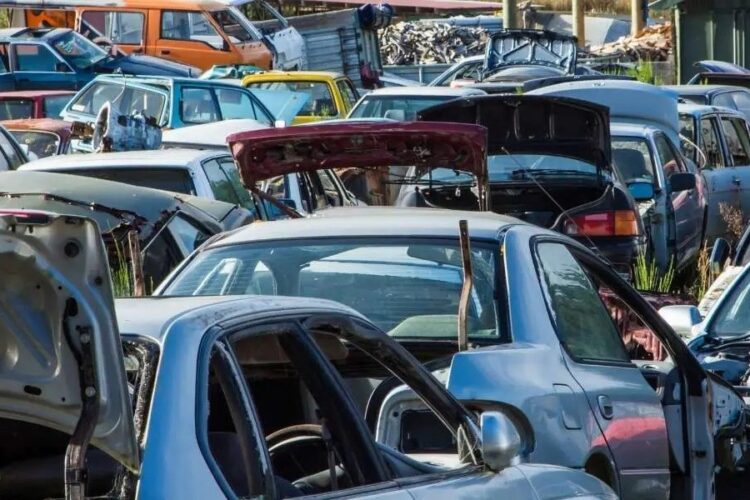
Choosing the right scrapyard singapore vehicle owners trust is an important decision that affects both your payout and your overall experience. Understanding how scrapyards operate, what happens during the disposal process, and how payments are structured ensures you can navigate this transition with clarity and confidence.
How Scrapyards in Singapore Operate
Scrapyards in Singapore are authorised facilities where end-of-life vehicles are received, dismantled, and recycled. These yards are licensed by the National Environment Agency and work in coordination with the Land Transport Authority to handle vehicle deregistration.
Unlike informal operations in some countries, Singapore’s scrapyards are tightly regulated to ensure environmental compliance and consumer protection. Every authorised yard must:
- Hold valid NEA and LTA licences to operate as a vehicle disposal facility
- Follow environmental standards for handling hazardous materials like engine fluids and refrigerants
- Process deregistration through official LTA channels on behalf of the car owner
- Maintain proper records of all vehicles received and processed
- Comply with workplace safety regulations during dismantling operations
This regulatory framework protects car owners from unscrupulous operators and ensures that the disposal process is handled responsibly.
The Disposal Process Step by Step
Once you hand your vehicle over to a car scrapyard, it goes through a systematic breakdown process:
Step 1 – Intake and documentation
The vehicle’s details are logged, including the registration number, chassis number, and condition. The yard verifies ownership and begins the deregistration process with the LTA.
Step 2 – Depollution
Before any physical dismantling begins, all hazardous fluids and materials are safely removed. This includes engine oil, coolant, brake fluid, transmission fluid, and air conditioning refrigerant. The battery is also extracted for separate recycling.
Step 3 – Parts salvaging
Reusable components are carefully removed and catalogued. These may include engines, transmissions, alternators, headlights, side mirrors, electronic modules, and body panels. Salvaged parts are cleaned, tested, and made available for resale.
Step 4 – Stripping and separation
After usable parts are removed, the remaining shell is stripped of non-metal materials such as glass, rubber, and plastics. These materials are sorted for recycling where possible.
Step 5 – Crushing and metal recovery
The bare metal shell is fed into a hydraulic crusher, compressing it into a compact block. This is then transported to a metal recycling plant where it is shredded and separated into ferrous and non-ferrous metals for reuse in manufacturing.
Understanding Your Payment
The payment you receive from the scrapyard consists of several components, and understanding each one helps you evaluate whether the offer is fair.
Government rebates form the bulk of most payouts:
- COE rebate – prorated based on remaining months and the prevailing quota premium
- PARF rebate – available if the car is under ten years old, based on a percentage of the original ARF
Dealer-determined value makes up the balance:
- Body and parts value – what the yard is willing to pay for salvageable components and scrap metal
- This varies between yards and is the primary reason to compare quotes
Deductions that may apply:
- Outstanding hire purchase balance – settled directly with the finance company
- Unpaid fines and summons – deducted automatically during deregistration
- Road tax arrears – recovered before the payout is released
- Towing or administrative fees – charged by some yards
Payment Timeline
Most scrapyards in Singapore process payments within three to seven working days after the LTA confirms deregistration. The exact timeline depends on the yard’s internal processes and whether any outstanding obligations need to be settled.
“Good systems create trust, and trust creates efficiency.” – Tharman Shanmugaratnam. Singapore’s structured approach to vehicle disposal exemplifies this principle, giving car owners confidence that the process is fair and well-managed.
Payment is typically made via bank transfer or cheque. Confirm the method and timeline with the yard before handing over your vehicle so there are no misunderstandings.
Choosing a Reputable Scrapyard
Not all scrapyards offer the same level of service or transparency. When selecting a yard, evaluate the following:
- Authorisation status – verify the yard is registered with both the NEA and LTA
- Quotation transparency – a good yard provides an itemised breakdown of every payout component
- Customer reviews – online feedback reveals patterns in service quality and reliability
- Additional services – some yards offer free towing, insurance cancellation assistance, and same-day processing
- Communication – responsive and clear communication throughout the process is a sign of professionalism
Tips for a Smooth Experience
Prepare for your visit to the scrapyard by following these practical steps:
- Remove all personal belongings from the vehicle, including items in the boot and glove compartment
- Take out the cash card from the in-vehicle unit
- Bring all required documents including the vehicle log card and NRIC
- Settle outstanding loans or obtain a settlement letter from your finance company
- Cancel your car insurance after deregistration to claim a refund on the unused portion
Making an Informed Choice
Selecting the right scrapyard singapore car owners can rely on comes down to transparency, fair pricing, and professional service. By understanding the disposal process, knowing how your payment is calculated, and choosing a reputable yard, you can close this chapter of vehicle ownership with confidence and a fair return.